The Problem With “Consumer Trends”
Every year, dozens of reports attempt to define how consumer behavior is changing. They use surveys, aggregated data, and retrospective analysis to describe what people want, how they buy, and what influences their decisions. These reports are often well-structured, statistically grounded, and widely cited.
And yet, in practice, they rarely help businesses anticipate change.
The reason is not that they are wrong, but that they are lagging by design. Most reports describe behavior after it becomes visible at scale, which means they capture patterns that have already stabilized. By the time something appears as a “trend,” it has usually been developing quietly for months, sometimes years.
Real behavioral change does not start with data.
It starts with small shifts in how people act before those actions are measurable in aggregate.
Behavior Doesn’t Change Suddenly — It Accumulates
One of the biggest misconceptions about consumer behavior is that it changes in clear, identifiable moments. In reality, most changes are gradual and almost invisible at the beginning.
A useful example from 2024–2025 is the continued rise of “low-effort content consumption” across platforms like TikTok, Instagram Reels, and YouTube Shorts. While reports describe this as a shift toward short-form video, the underlying behavioral change is deeper.
Users are not just consuming shorter content. They are:
– tolerating less cognitive effort
– making faster decisions about relevance
– abandoning content more quickly
This change did not appear overnight. It emerged through repeated micro-decisions: skipping videos faster, scrolling more frequently, engaging only with immediately recognizable content.
Platforms such as YouTube have publicly discussed the rapid growth of Shorts consumption and the shift in viewing patterns toward shorter, faster content formats.
But by the time these numbers became visible, user behavior had already adapted.
People Don’t Change Preferences — They Change Thresholds
Another misunderstanding is that consumers suddenly prefer new things. In reality, preferences are more stable than they appear. What changes is the threshold for attention, trust, and action.
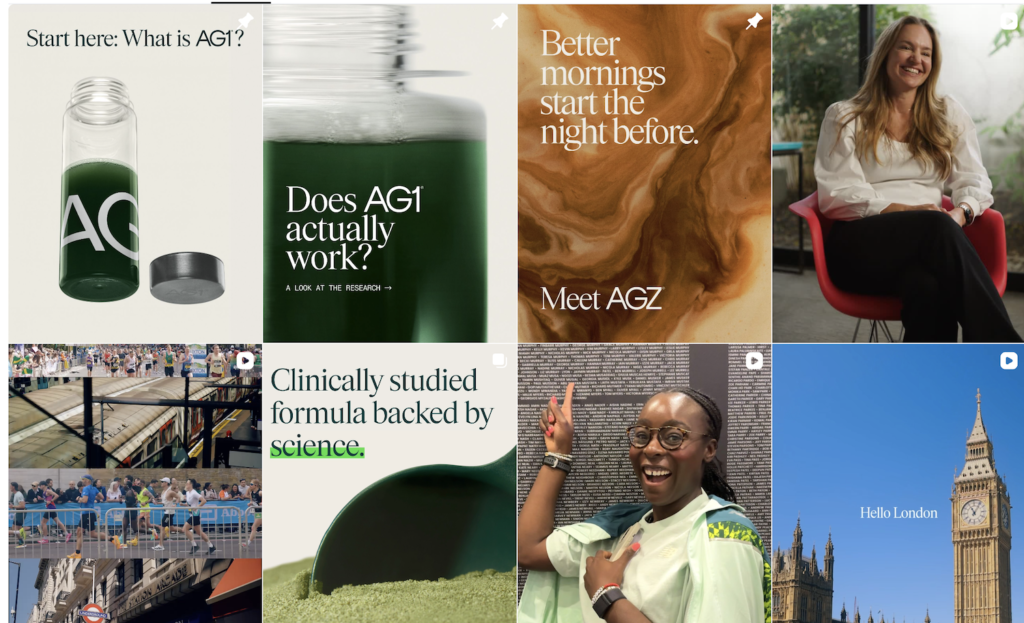
A clear example can be seen in the evolution of direct-to-consumer brands in 2024–2025, particularly in categories like supplements, skincare, and wellness.
Brands such as AG1 (Athletic Greens) have maintained consistent positioning over time, focusing on convenience and daily routines. However, what has changed is how quickly users decide whether to engage with that message.
Users today require faster recognition of value. If the benefit is not immediately clear, they move on.
This is not a change in preference for health products.
It is a change in how quickly relevance must be communicated.
What This Actually Looks Like
Behavior Changes First in Edges, Not in the Mainstream
Most reports focus on average behavior, but real change almost always starts at the edges — in small groups, niche communities, or specific contexts.
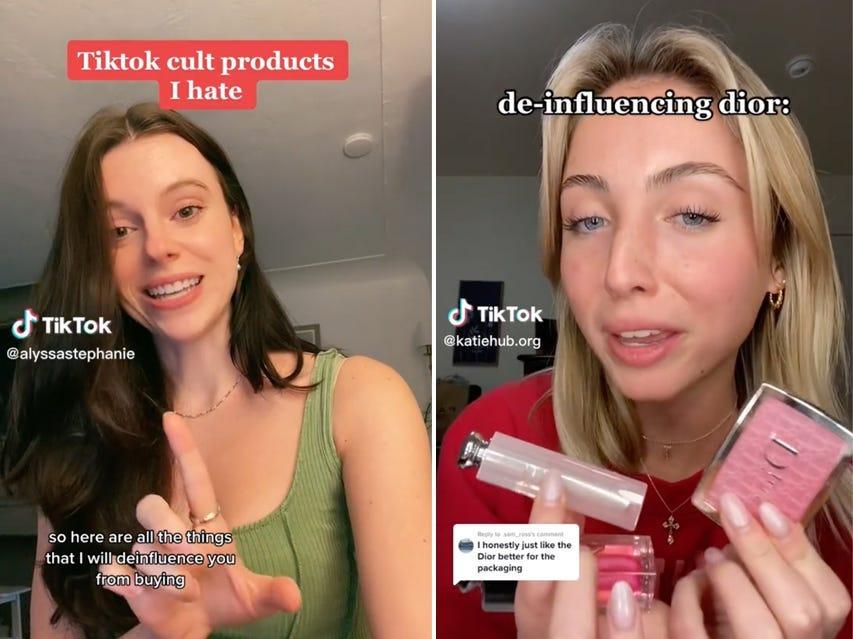
A strong example is the rise of “de-influencing” content on TikTok in 2024–2025, where creators actively discourage purchases, critique products, and question traditional marketing claims.
At first, this appeared as a niche trend. But it reflects a broader behavioral shift:
– increased skepticism toward traditional advertising
– preference for transparency over persuasion
– higher sensitivity to overpromising
This does not mean consumers suddenly distrust all brands. It means their threshold for credibility has changed.
What This Actually Looks Like
Reports Describe Behavior — Platforms Shape It
Another important dynamic is that behavior is not only observed, but actively shaped by platforms.
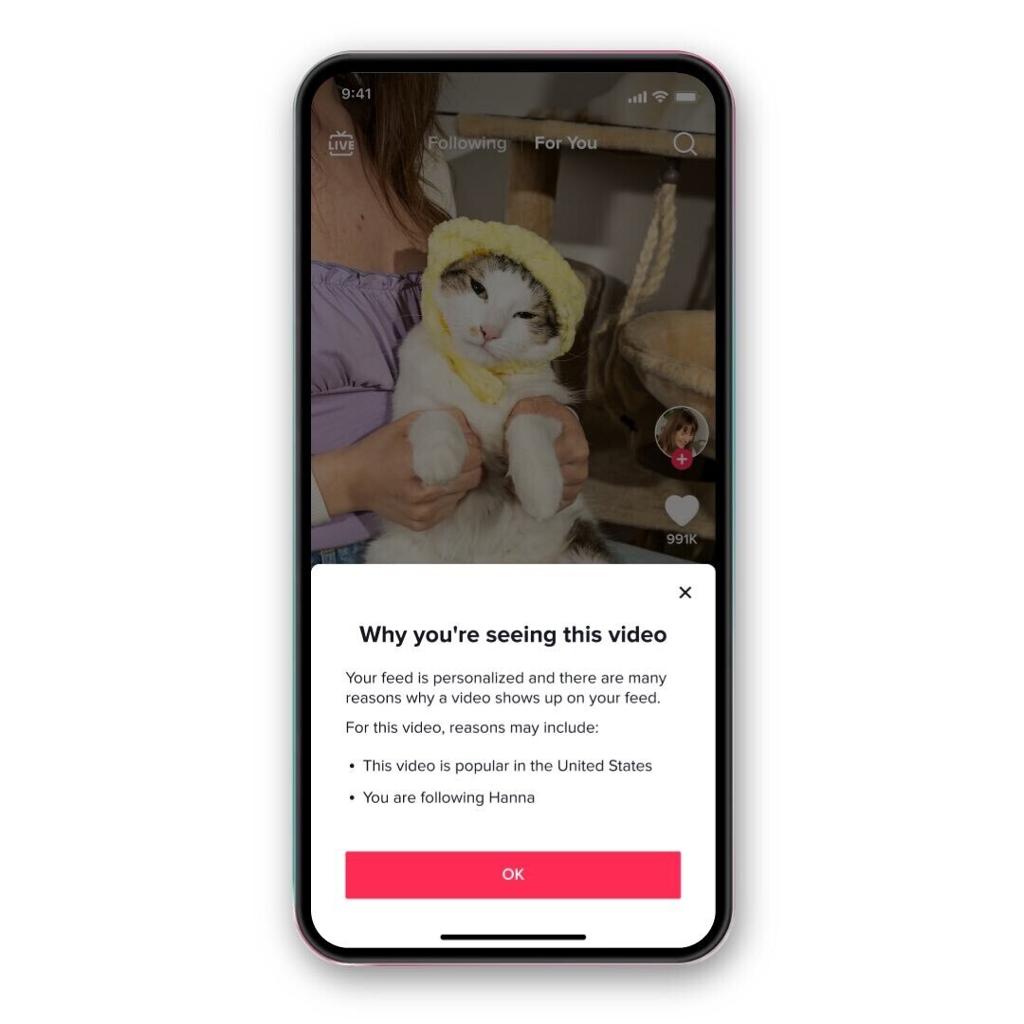
Algorithms determine what users see, how often they see it, and how content is distributed. Over time, this influences what users expect, how they interact, and what they respond to.
For example, Meta has shifted heavily toward recommendation-based feeds, where content is shown based on predicted relevance rather than explicit following
This changes behavior in subtle ways:
– users rely less on intentional navigation
– discovery becomes passive
– decision-making becomes faster and less deliberate
What reports later describe as “changing preferences” is often a reflection of how environments have already reshaped behavior.
What This Actually Looks Like
The Real Pattern: Behavior Shifts Before It Becomes Visible
Looking across these examples, a consistent pattern emerges.
Behavior changes:
– gradually, not suddenly
– at the edges, not in the average
– through repetition, not decisions
– before it is measurable in reports
By the time it appears in aggregated data, it is no longer new.
“By the time behavior shows up in reports, it’s already too late to build advantage on it.”
Makstraffic Team
Conclusion: If You Rely on Reports, You Are Already Behind
Consumer behavior is not something that can be fully understood through reports alone. Reports are useful for validation, but they are not effective for anticipation.
Real change is visible earlier in:
– small behavioral shifts
– content interaction patterns
– emerging formats
– niche communities
The ability to recognize these signals before they scale is what allows brands to adapt faster and position themselves ahead of the market.
What This Means in Practice
If your strategy is built primarily on industry reports, trend summaries, and aggregated data, you are likely reacting to changes rather than anticipating them.
At Makstraffic, we focus on identifying early signals:
– how users actually behave, not how they report behavior
– how platforms are shaping interaction
– where small shifts indicate larger changes
Because the goal is not to describe the market as it is. It is to understand where it is moving — before everyone else sees it.