
Advertising Beyond Impressions
Every day, consumers are exposed to over 6,000 brand messages. Yet, only a handful stick in memory, and an even smaller fraction go viral. Why do some campaigns capture global attention while others vanish into obscurity despite similar budgets and distribution strategies?
The answer lies not only in creative execution but also in psychology—the science of how people perceive, process, and emotionally respond to messages. Viral campaigns trigger universal cognitive shortcuts, emotions, and social behaviors that amplify reach far beyond paid media.
The Cognitive Foundations of Memorable Advertising
1. Attention is the First Currency
In a fragmented media landscape, attention is scarce. Campaigns that break through leverage:
- Novelty: The human brain is wired to notice the unexpected (think Old Spice’s “The Man Your Man Could Smell Like”).
- Pattern Interruption: Ads that subvert expectations (e.g., a bank ad that feels like a comedy sketch) outperform repetitive messaging.
- Sensory Richness: Bold visuals, unusual sounds, or striking contrasts activate memory retention.
2. Emotion Over Logic
Neuromarketing studies show that emotional response predicts purchase intent better than rational messaging. Campaigns that trigger awe, humor, anger, or empathy have a higher likelihood of being shared. For instance:
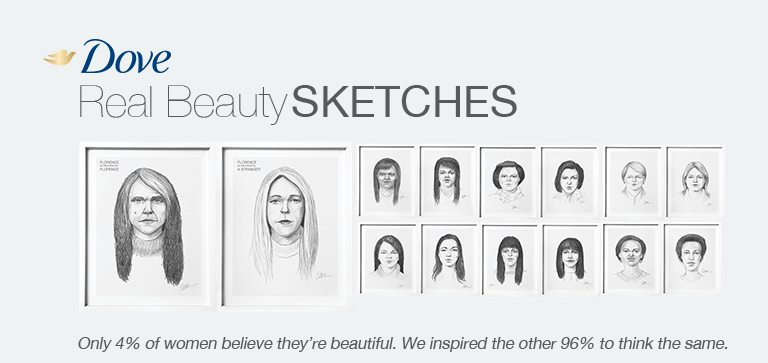
- Dove’s “Real Beauty Sketches” evoked empathy and self-reflection.
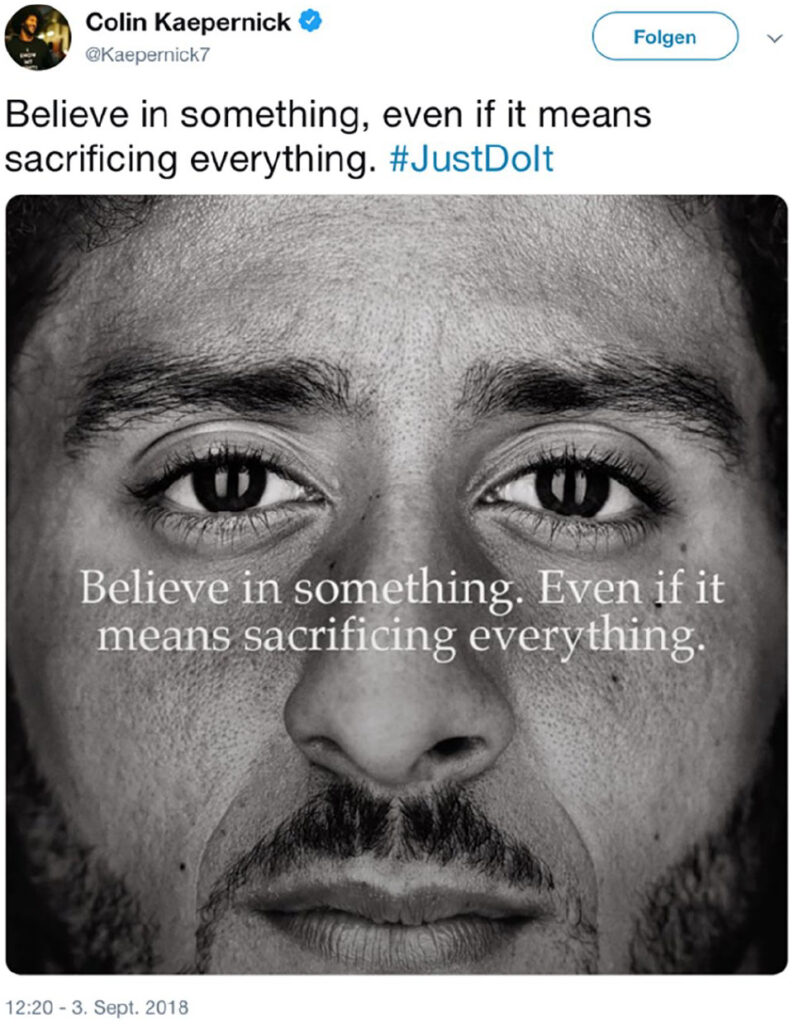
- Nike’s “Dream Crazy” with Colin Kaepernick triggered controversy and pride—driving conversation globally.
3. Cognitive Biases in Action
Effective ads tap into psychological biases:
- Social Proof: Testimonials, influencers, or “most popular” signals reduce uncertainty.
- Loss Aversion: “Don’t miss out” messaging is often stronger than “Get this.”
- Anchoring: Displaying a high price before a discount shapes perception of value.
- Mere Exposure Effect: Repetition breeds familiarity—and trust.
Why Some Campaigns Go Viral
1. Storytelling That Resonates
Humans are storytelling creatures. Ads that present relatable narratives outperform product-centric ones. A viral campaign doesn’t just show a feature—it tells a story of transformation, identity, or belonging.
2. Shareability as a Design Principle
Viral campaigns are engineered with social media in mind. They spark conversations with:
- Relatable humor (“Dumb Ways to Die”).
- Provocative challenges (#IceBucketChallenge).
- Emotional hooks that compel users to “spread the word.”
3. Timing and Cultural Context
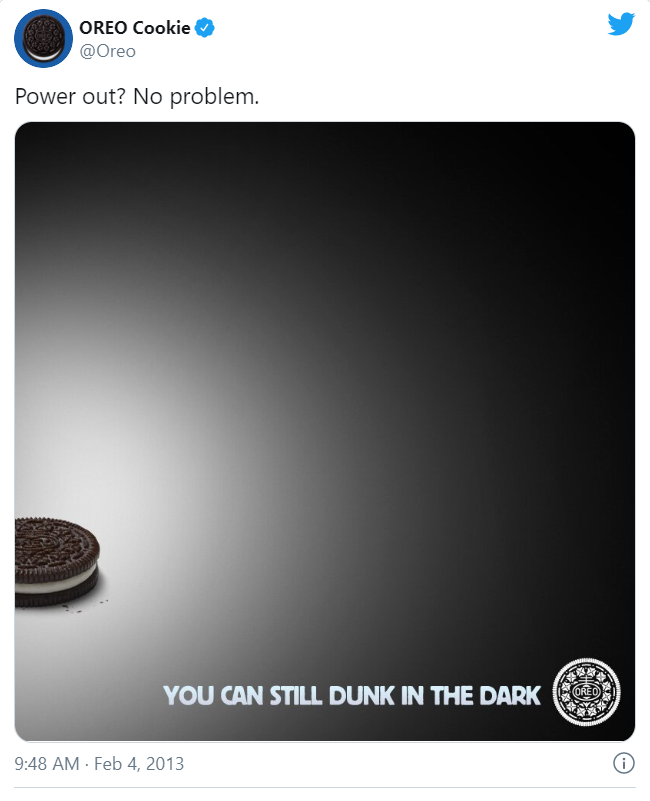
Relevance matters. Oreo’s “You can still dunk in the dark” tweet during the 2013 Super Bowl blackout worked because it was immediate, witty, and contextually relevant.
4. Simplicity Wins
Overcomplicated ads confuse and dilute impact. Viral messages are instantly understandable, often distilled into one visual or one phrase.
Why Others Fail
- Trying Too Hard to Be Viral: Audiences can smell inauthenticity.
- Lack of Cultural Sensitivity: Pepsi’s Kendall Jenner ad trivialized social justice, leading to backlash.
- Message-Product Misalignment: If the emotional story doesn’t connect back to the brand promise, awareness doesn’t translate into sales.
- Overload of Rational Claims: Facts alone rarely inspire sharing or loyalty.
Psychological Hacks for Marketers
- Peak-End Rule: People remember the most intense moment and the ending—design ads with a strong climax and a satisfying close.
- Curiosity Gap: Tease but don’t fully reveal, nudging audiences to engage deeper.
- Consistency Principle: People want to appear consistent—interactive ads that get small commitments (likes, shares) often lead to bigger actions.
- Humor as Trojan Horse: Comedy lowers defenses, allowing messages to bypass skepticism.
- Identity Appeal: Campaigns that say, “People like me do this” outperform generic messaging.
Lessons from Viral Campaigns
- ALS Ice Bucket Challenge – Combined social proof, simplicity, and user-generated content, raising $115 million.
- Always #LikeAGirl – Reframed a negative phrase into an empowering movement, resonating with multiple generations.
- Spotify Wrapped – Personalization + shareability = annual viral dominance.
- Red Bull Stratos Jump – Blended extreme spectacle with brand positioning (pushing limits).
Future of Psychology-Driven Advertising
- AI Personalization: Hyper-targeted emotional triggers based on behavior patterns.
- Immersive Storytelling: AR/VR campaigns that place users inside brand narratives.
- Ethical Virality: Growing scrutiny of manipulative tactics will demand transparency and value-driven campaigns.
Conclusion: Psychology as the Core of Virality
Virality is not luck—it’s design. The most successful campaigns understand human behavior, craft emotionally charged narratives, and leverage cultural context to spark conversations.
In a digital world where consumers scroll past thousands of ads daily, only those rooted in psychological insight stand a chance to stick, spread, and sell.
The takeaway for marketers: Stop chasing viral moments. Start building campaigns that resonate with human nature itself.