The Most Dangerous Campaigns Are the Ones That Seem to Work
The biggest problem with advertising today is not that campaigns fail fast, but that they succeed just enough to hide what’s actually broken. A campaign generates leads, ROAS looks acceptable, creatives get approved internally, and budgets continue to grow — yet something feels off. Growth slows down, acquisition becomes more expensive, and scaling requires more effort than it should.
This is where most businesses make the wrong move. They assume the problem is tactical, so they test more creatives, tweak targeting, or switch platforms. But the issue is rarely at that level. It’s structural. It sits in how the system is built — what it optimizes for, how it attracts attention, and what kind of demand it actually captures.
And the reason it’s hard to detect is simple: these mistakes don’t look like mistakes at the beginning.
Mistake 1: Scaling What Feels Efficient Instead of What Actually Grows
A very clear example of this in 2024–2025 comes from Hevy, a fast-growing workout tracking app that scaled primarily through paid social and creator-driven content.
Instead of immediately pushing broad acquisition, Hevy initially leaned heavily into very specific, high-intent audiences — people already deep into gym culture, strength training, and tracking performance. Their early ads performed extremely well because they spoke directly to users who already understood the value of the product.
The problem appeared when scaling began. As budgets increased, performance dropped — not because creatives stopped working, but because the system was forced to move beyond that initial high-intent audience. What felt like a “winning strategy” turned out to be a narrow pocket of efficiency, not a scalable foundation.
This is one of the most common mistakes in modern advertising. Businesses find something that works, and instead of asking whether it can scale, they simply increase spend. But efficiency at a small scale is often just a reflection of audience quality, not campaign strength.

Mistake 2: Trying to Look Better Instead of Looking Different
Another mistake that consistently limits performance is the assumption that better visuals automatically lead to better results. In reality, in environments where users scroll quickly and process information subconsciously, familiarity kills attention much faster than poor design does.
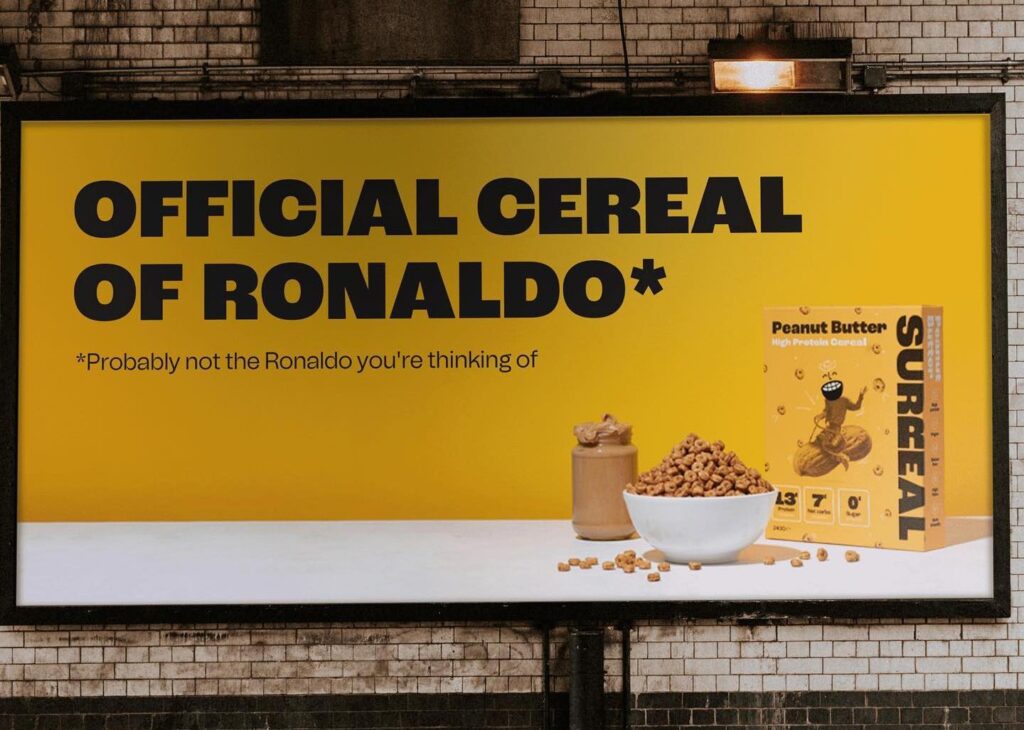
A strong example of breaking this pattern comes from Surreal Cereal, a UK-based DTC brand that gained significant traction in 2024 through paid social.
Instead of using typical food advertising — clean product shots, appetizing visuals, polished messaging — Surreal leaned into humor, absurdity, and deliberately unconventional creatives. Their ads often looked closer to internet memes than to traditional product campaigns.
What made these ads effective wasn’t just humor, but contrast. In a category dominated by polished, family-oriented food advertising, Surreal created a completely different visual and tonal language. That difference alone was enough to stop the scroll.
Most brands try to improve performance by making ads more refined. But in crowded feeds, refinement often equals invisibility. What actually works is breaking the pattern users have learned to ignore.
Mistake 3: Fixing Ads Instead of Fixing the Experience
A surprisingly common situation in 2025 is when campaigns show strong engagement but weak conversion, and teams respond by endlessly iterating on creatives instead of looking at what happens after the click.
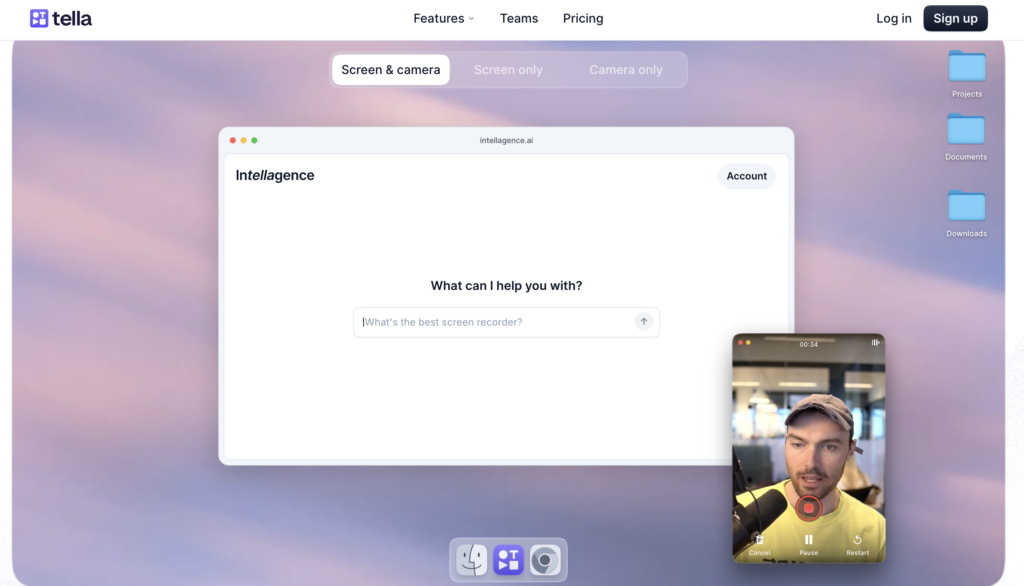
A clear example comes from Tella, a smaller SaaS tool for async video communication, which has been transparent about its growth approach.
Instead of focusing only on ad performance, Tella invested heavily in aligning messaging, onboarding, and product experience. Their ads were simple, often showing the product directly, but what made them work was the continuity between:
– what the user saw in the ad
– what they expected after clicking
– what the product actually delivered
The key point here is not the design itself, but the absence of friction. Users didn’t need to reinterpret what the product was or why they clicked. The transition from ad to product was seamless.
Many businesses try to fix low conversion rates by improving ads, when the real issue is that the system after the click creates confusion or cognitive load.
Mistake 4: Expecting One Channel to Do Everything
Another structural mistake that continues to limit growth is relying on a single channel to handle the entire customer journey — from awareness to conversion.
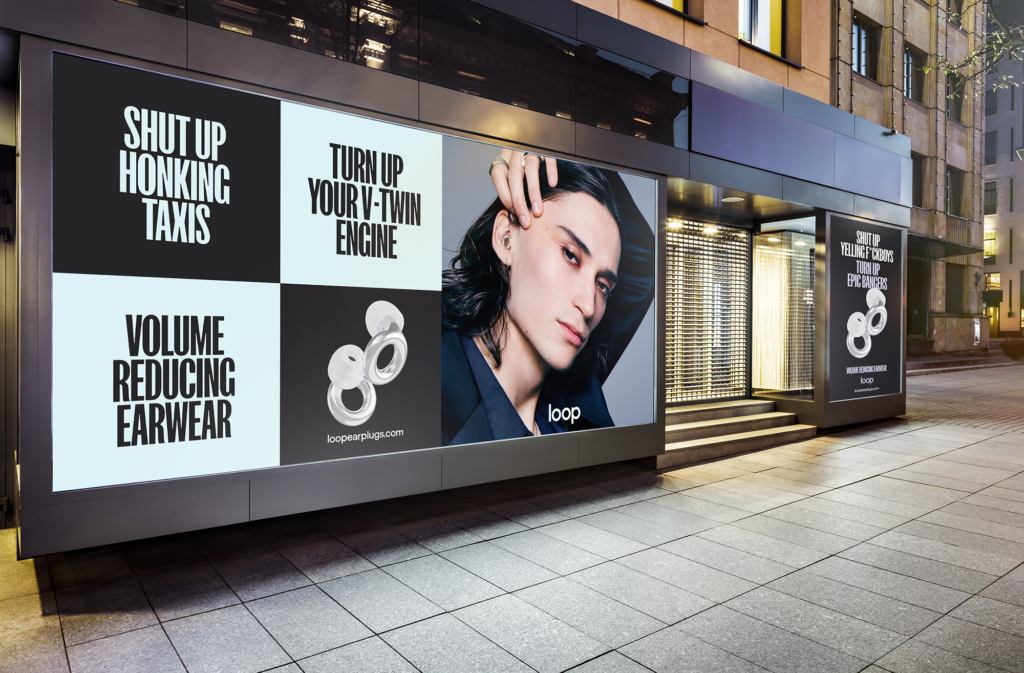
A strong example of doing the opposite comes from Loop Earplugs, a Belgian brand that scaled aggressively across Europe in 2024–2025.
Instead of depending solely on paid social, Loop built a multi-channel presence that included:
– influencer partnerships
– TikTok and Meta ads
– retail visibility
– strong product packaging that reinforced brand recall
What’s important here is not the presence of multiple channels, but how they interacted. Social media created discovery, influencers built credibility, and physical presence reinforced memory. No single channel was expected to do everything.
Businesses that rely on one channel often reach a plateau where performance becomes unstable, not because the channel stops working, but because it was never designed to carry the entire system.

Conclusion: The Real Problem Is Not What You Do — It’s What You Build
Across all of these examples, the pattern is consistent, even though the industries and business models are completely different. The biggest mistakes in advertising don’t come from poor execution, but from systems that are optimized for the wrong thing from the beginning.
They optimize for efficiency instead of growth, familiarity instead of attention, clicks instead of experience, and single-channel performance instead of system resilience. And because these systems often produce decent results at the start, they are rarely questioned until growth becomes difficult.
Makstraffic Perspective
“The hardest part about fixing advertising is not improving campaigns.
It’s recognizing that the system they sit in was never designed to scale.”
What This Means in Practice
If your campaigns feel active but growth feels limited, if performance improves but scaling becomes harder, or if your best-performing ads stop working the moment you increase budget, the issue is likely not tactical.
It’s structural.
At Makstraffic, we don’t just test creatives or manage campaigns. We look at how the entire system behaves — how attention is captured, how demand is created, and how users move from first interaction to conversion. Because real performance doesn’t come from isolated improvements.
It comes from building a system that continues to work when pressure increases.